Marketing Automation

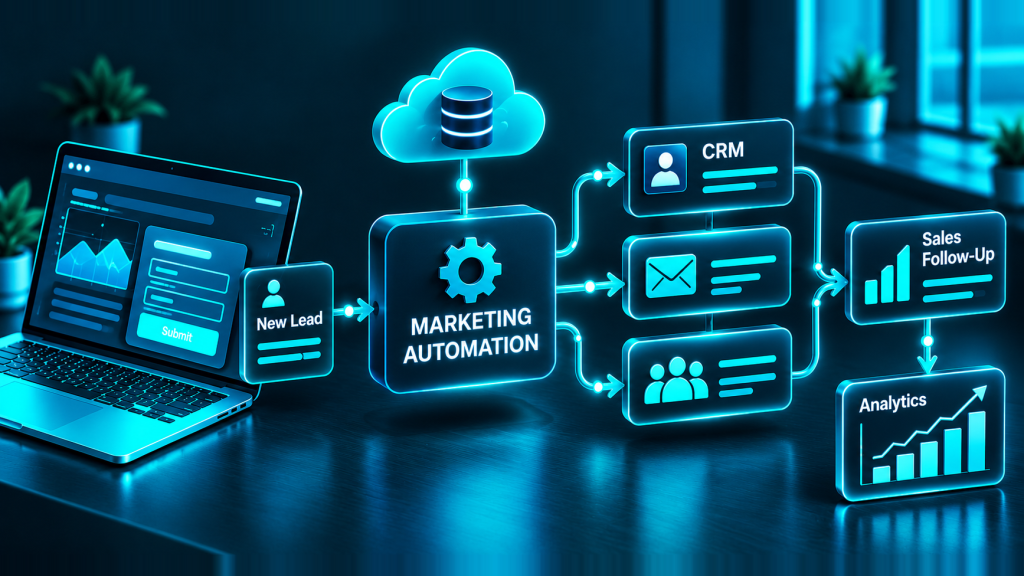
A glowing cyan flowchart on a desk demonstrating a "MARKETING AUTOMATION" pipeline, showing data moving from a laptop lead form through CRM, Sales Follow-Up, and Analytics blocks.
Marketing Automation

Digital Marketing Automation

Running a business online is not always easy. You need to manage social media accounts, send emails, follow up with potential customers, create content, run advertisements, and check your marketing results. When all these tasks are done manually, they can take a lot of time and effort. Sometimes, businesses even miss important opportunities because they are too busy handling everyday work. This is where digital marketing automation becomes useful. Digital marketing automation helps businesses manage repetitive marketing tasks automatically with the help of software and technology. It allows businesses to send emails at the right time, follow up with leads, schedule social media posts, organize customer information, and track campaign performance with less manual effort. For example, imagine someone visits your website and signs up for your newsletter. Instead of manually sending that person a welcome email, an automation tool can send it automatically. A few days later, the same tool can send another email explaining your services or sharing helpful information. This process saves time and helps businesses communicate with customers more consistently. Digital marketing automation is useful for small businesses, startups, marketing agencies, online stores, educational institutions, and large companies. It helps marketers focus more on planning, creativity, and customer relationships instead of spending their entire day on repetitive tasks. In this guide, we will explore what digital marketing automation is, how it works, its benefits, different types, popular tools, real-life examples, common mistakes, and how you can start using it for your business. What Is Digital Marketing Automation? Digital marketing automation is the process of using software and technology to perform repetitive marketing activities automatically. These activities may include email marketing, lead generation, customer follow-ups, social media scheduling, audience segmentation, and campaign reporting. The main purpose of automation is to make marketing activities more organized, efficient, and consistent. Without automation, a marketer may need to send every email manually, update customer records one by one, and remember when to contact each potential customer. As a business grows, managing these activities becomes more difficult. Automation helps manage these tasks through predefined rules, schedules, and customer actions. For example, a business can create a simple automated process: A visitor opens the company’s website. The visitor fills out a contact form. The visitor receives an automatic confirmation email. The business stores the visitor’s details in a customer management system. A follow-up email introduces a relevant service. The marketing team receives a notification when the visitor requests a consultation. These actions can happen without someone manually completing every step. However, digital marketing automation does not mean that the entire marketing process runs without human involvement. Businesses still need to create good content, understand their audience, make decisions, and maintain genuine relationships with customers. Automation simply makes the process easier to manage. How Does Digital Marketing Automation Work? Digital marketing automation works by connecting customer information, marketing tools, and predefined actions. Once the system is configured, it responds to specific events or conditions. Most automation processes have four basic elements: a trigger, a rule, an action, and a result. 1. Trigger A trigger is an event that starts an automated process. For example, a customer may subscribe to a newsletter, download a guide, complete a purchase, or submit a contact form. 2. Rule or condition A rule determines what should happen next. It can help a business decide which message to send, when to send it, or which audience should receive it. For example, an online store may send different emails to customers who purchased a product and visitors who only added a product to their cart. 3. Action An action is the task performed by the automation software. It might send an email, update a customer record, assign a lead to a salesperson, or schedule a notification. 4. Result The result is the outcome of the automated process. A business may receive more inquiries, improve customer engagement, save time, or gain better information about campaign performance. Consider a digital marketing agency that wants to attract new clients. When someone downloads its free SEO checklist, the system can automatically send the checklist by email. Later, it can share SEO tips and explain the agency’s services. If the person requests a consultation, the agency’s team can contact them personally. This combination of automation and human communication creates a more organized customer experience. Why Is Digital Marketing Automation Important? Modern customers interact with businesses through many online channels. They may discover a company through Google, visit its website, follow it on social media, subscribe to its emails, and eventually purchase a product or service. Managing these interactions manually can become complicated. Digital marketing automation helps businesses maintain communication across different stages of the customer journey. Instead of depending entirely on manual work, businesses can create repeatable processes that support their marketing goals. Here are some reasons why automation is becoming important. It saves time: Repetitive activities can run automatically, giving marketers more time for creative and strategic work. It improves consistency: Customers can receive timely messages instead of waiting for someone to remember a follow-up. It supports personalization: Businesses can send relevant messages based on customer interests, preferences, and previous actions. It organizes customer information: Automation can help collect and update information in one system, making it easier to understand customer needs. It supports business growth: A well-designed workflow can manage more leads and customer interactions without requiring every task to be handled manually. Automation is not a replacement for good marketing. It is a way to deliver good marketing more efficiently. 1. Email Marketing Automation Email marketing automation is one of the most common forms of digital marketing automation. It allows businesses to send emails automatically when a subscriber performs a particular action or reaches a scheduled point in a campaign. For example, when someone joins an email list, the system can send a welcome email. After a few days, it may send useful tips, product information, or a special offer. Common email automation activities include: Welcome emails for new subscribers. Follow-up
iska ekdm short alt text do
Marketing Automation

Lead Generation Automation

Every business needs customers to grow. Whether you run a small business, an online store, or a digital marketing agency, finding people who are genuinely interested in your products or services is an important part of success. However, generating leads is not always easy. You need to attract the right audience, collect their information, respond to inquiries, and follow up at the right time. When all these activities are handled manually, they can take a lot of time. Sometimes, a business receives an inquiry but forgets to respond. In other situations, a potential customer loses interest because the business takes too long to provide information. These small problems can lead to missed opportunities. This is where lead generation automation becomes useful. Lead generation automation uses software and technology to attract potential customers, collect their contact information, organize leads, and move them toward the next step in the buying process. Instead of managing every task manually, businesses can create automated systems that help them capture and manage leads more efficiently. For example, imagine someone visits your website and fills out a form to learn about your SEO services. An automated system can send a confirmation email, save the person’s information in a customer management system, and notify your sales team. It can also send helpful information about SEO services if the person has agreed to receive marketing emails. This process helps the business respond quickly and maintain communication with potential customers. Lead generation automation is useful for digital marketing agencies, real estate companies, educational institutions, healthcare businesses, online stores, and many other industries. In this guide, you will learn what lead generation automation is, how it works, its benefits, the tools businesses use, practical examples, common mistakes, and how you can start automating your own lead generation process. What Is Lead Generation Automation? Lead generation automation is the process of using software to automate different activities involved in attracting, collecting, organizing, and following up with potential customers. A lead is a person or business that has shown some interest in a product or service. This interest might come from filling out a contact form, downloading a guide, requesting a quotation, registering for a webinar, or subscribing to a newsletter. However, not every lead is ready to purchase immediately. Some people are only researching their options, while others are actively looking for a service provider. Automation helps businesses manage these different situations through predefined workflows. For example, a digital marketing agency may offer a free website SEO audit. When a visitor submits their name, email address, and website URL, an automated workflow can: Save the lead’s information in a CRM system. Send a confirmation email. Notify the appropriate team member. Assign the inquiry to the relevant service category. Send useful follow-up information when appropriate. Remind the sales team to contact the lead. These activities can happen automatically, reducing the amount of repetitive work required from the marketing team. The important thing to understand is that lead generation automation does not mean collecting as many email addresses as possible. Its real purpose is to help businesses attract relevant people, provide useful information, and create a smoother path from initial interest to a genuine business conversation. Why Is Lead Generation Automation Important? Businesses often lose potential customers not because their services are poor, but because their lead management process is disorganized. A website inquiry may remain unanswered. Contact details may be stored in different spreadsheets. A salesperson may forget to follow up with someone who requested a quotation. As the number of inquiries increases, these problems can become more common. Lead generation automation helps businesses create a structured process for managing these opportunities. It is important for several reasons: It reduces repetitive administrative work. It helps businesses respond to inquiries more consistently. It keeps lead information organized. It supports timely and relevant follow-ups. It helps marketing and sales teams work together. It makes lead generation performance easier to measure. For small businesses, even a simple workflow can make a meaningful difference. You do not need a complicated automation system to get started. A contact form that saves information correctly, sends a confirmation, and notifies the right person is already a useful first step. 1. Website Form Automation Website forms are one of the most common ways to collect leads. A visitor may fill out a form to request a quotation, book a consultation, download a guide, or ask a question. Automation can connect that form to a CRM or email platform. Once the form is submitted, the system can save the information, send a confirmation message, and notify the relevant team member. For example, a website development company may ask visitors for their name, business email, and project requirements. The system can then organize these inquiries so the team can respond appropriately. A good form should be simple and easy to complete. Asking for too much information can discourage visitors from submitting it. 2. Email Lead Generation Automation Email automation helps businesses maintain communication with people who have voluntarily shared their email addresses and agreed to receive the relevant messages. A company can create an email sequence that provides useful information over time. For example, someone who downloads a guide about improving website traffic might receive: An email delivering the requested guide. An educational email explaining common SEO mistakes. A message sharing practical website improvement tips. An invitation to request an SEO consultation. The messages should be relevant to the person’s original interest. Businesses should also respect consent, unsubscribe requests, and applicable email marketing requirements. The goal is to build trust and help people make informed decisions, not to pressure them into buying immediately. 3. CRM Lead Automation Customer Relationship Management software, commonly known as CRM, helps businesses manage customer information and interactions. CRM automation can save lead details, update lead stages, assign inquiries to team members, and create reminders for follow-up activities. For example, a lead may move through the following stages: New lead. Contacted. Qualified. Proposal sent. Won or lost. When

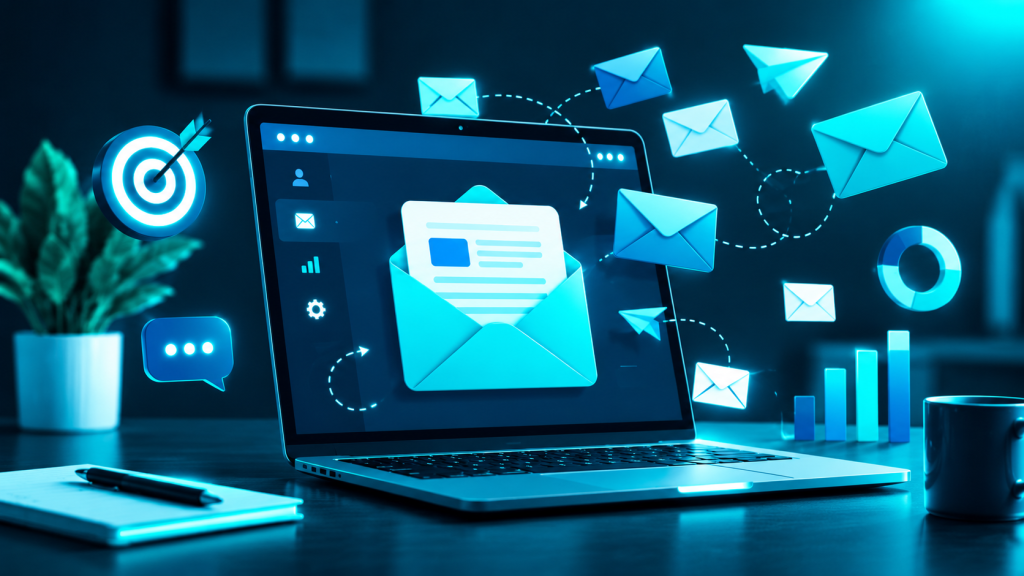
A laptop on a desk showing an open email on its screen, surrounded by 3D flying envelope icons and glowing cyan marketing graphics
Marketing Automation

Email Automation

Email marketing is one of the most useful ways for businesses to communicate with customers. Companies use emails to share information, promote products, announce offers, send updates, and build long-term relationships with their audience. However, managing every email manually can become difficult, especially when a business has hundreds or thousands of subscribers. Imagine that 100 people subscribe to your website every day. You want to welcome every new subscriber, share helpful information, introduce your services, and follow up with people who show interest. Sending every email manually would take a lot of time. You might forget to contact some people or send messages later than planned. This is where email automation becomes useful. Email automation allows businesses to send emails automatically based on a schedule, a subscriber’s action, or a specific condition. Instead of manually sending every message, you create an email workflow once and let the system handle the routine tasks. For example, when someone subscribes to your newsletter, they can automatically receive a welcome email. A few days later, they might receive helpful tips related to their interests. If they click a link about a particular service, the business may send relevant information about that service, provided the workflow and subscriber permissions allow it. This makes communication more organized and helps businesses deliver useful messages at the right time. Email automation is useful for small businesses, digital marketing agencies, online stores, educational institutions, service providers, and large companies. It can help save time, improve customer communication, and support business growth. In this blog, we will explore what email automation is, how it works, its types, benefits, popular tools, real-life examples, common mistakes, and how beginners can create their first automated email campaign. What Is Email Automation? Email automation is the process of using software to send emails automatically when a particular event occurs, when a specific condition is met, or when a scheduled time arrives. These emails are usually prepared in advance. Once the automation workflow is activated, the system sends the appropriate message to the relevant subscriber without requiring someone to manually send each email. For example, a business may create an automated welcome email for new subscribers. Whenever someone joins the email list, the system sends the welcome message automatically. Businesses can also automate appointment reminders, order confirmations, educational email sequences, abandoned-cart reminders, and follow-up messages. The main purpose of email automation is to make communication more timely, consistent, and efficient. Consider a digital marketing agency that offers SEO services. A visitor downloads a free SEO checklist from its website. The agency’s email automation system can send the checklist immediately. A few days later, it may send an email explaining common SEO mistakes and then share useful information about website optimization. If the subscriber requests a consultation, the agency’s team can contact them personally. This approach helps the agency provide useful information without manually sending every message. However, email automation does not mean sending endless emails to customers. A good automated email campaign focuses on relevance, timing, and value. Every email should have a clear purpose and respect the recipient’s communication preferences. How Does Email Automation Work? Email automation works through a combination of triggers, conditions, actions, and workflows. A trigger starts the automation process. A condition determines what happens next, and an action is the task performed by the software. Let’s understand these elements in simple terms. 1. Trigger A trigger is the event that starts an automated email. Common triggers include: Someone subscribes to a newsletter. A customer makes a purchase. A visitor downloads a guide. Someone registers for a webinar. A subscriber requests information about a service. A scheduled date or time arrives. For example, when a visitor signs up for your newsletter, the subscription can trigger a welcome email. 2. Condition A condition helps the system decide which action should happen. For example, an online store may send different emails to customers who have purchased a product and visitors who have only added a product to their cart. Similarly, a digital marketing agency may send different educational emails to subscribers interested in SEO and subscribers interested in website development. Conditions help businesses keep messages relevant to different audiences. 3. Action An action is what the automation software does after a trigger or condition is met. It might send an email, wait for a specified period, update a contact record, add a subscriber to a suitable segment, or notify a team member. For example, a system may send a welcome email immediately after subscription and another educational email three days later. 4. Workflow A workflow is a series of connected steps that guide subscribers through an email journey. A simple workflow might look like this: A visitor subscribes The subscriber joins the email list. Welcome email Sent automatically after subscription. Wait for a few days The system follows the selected schedule. Send helpful content Share useful tips or resources. Invite further action Offer a relevant next step, such as booking a consultation. The exact workflow depends on the business and its goals. Some workflows contain only one email, while others include multiple messages, conditions, and actions. Why Is Email Automation Important? Email automation is important because customers expect businesses to communicate clearly and respond at appropriate times. When communication depends entirely on manual work, businesses may struggle to keep up with new subscribers, customer questions, orders, and follow-ups. Automation helps create a more consistent process. For example, a person who requests a product brochure should receive the requested information without unnecessary delays. A customer who makes an online purchase should receive an order confirmation. A new subscriber should understand what kind of emails they can expect. These small interactions can improve the overall customer experience. Email automation also allows businesses to maintain communication as their subscriber lists grow. A company does not need to manually prepare a separate email for every new subscriber if a suitable workflow is already in place. The system handles repetitive communication, while the marketing team focuses on

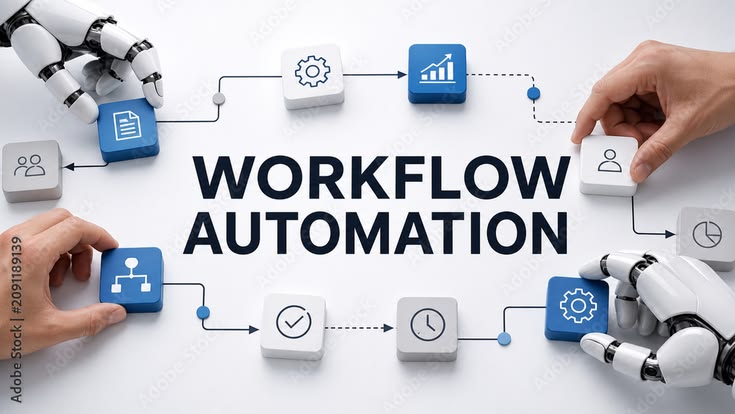
A "WORKFLOW AUTOMATION" concept graphic showing human hands and robotic hands collaborating to assemble a flowchart made of block icons on a white background.
Marketing Automation

Automation Benefits

In today’s digital world, businesses are always looking for better ways to save time, reduce costs, and improve their work. Customers expect quick responses, smooth services, and a good experience whenever they interact with a business. Managing all these things manually can become difficult, especially when a business starts growing. This is where automation becomes useful. Automation helps businesses complete repetitive tasks automatically with the help of software, tools, and technology. Instead of doing the same work again and again, businesses can use automation to handle many tasks with less manual effort. These tasks may include sending emails, following up with customers, managing leads, scheduling social media posts, collecting information, and tracking marketing results. For example, imagine that a customer fills out a contact form on your website. Without automation, you may need to check the form, collect the customer’s details, and send a reply manually. With automation, the customer can receive an instant confirmation email, and their information can be saved directly in your customer management system. This saves time and makes the process easier for both the business and the customer. Automation is not only useful for large companies. Small businesses, startups, freelancers, digital marketers, and online stores can also use it to improve their daily work. In this blog, we will explore the major benefits of automation, how it works, and why it has become an important part of modern business growth. What Is Automation? Automation is the process of using technology or software to perform tasks with little or no manual effort. It allows businesses to create systems that complete specific actions automatically when certain conditions are met. In simple words, automation means letting technology handle repeated work so that people can focus on more important activities. For example, an email marketing tool can automatically send a welcome email whenever someone subscribes to a newsletter. Similarly, a social media scheduling tool can publish a post at a selected time without requiring someone to publish it manually. Automation can be used in many areas, including: Email marketing Digital marketing Customer service Sales and lead management Website management Social media marketing Data collection and reporting Online shopping and order management The main purpose of automation is to make work faster, easier, more consistent, and less dependent on repetitive manual tasks. However, automation does not mean removing people from every process. Human judgment, creativity, communication, and decision-making are still important. The best results often come when people and automation tools work together. Why Is Automation Important for Modern Businesses? Running a business involves many small tasks that require time and attention. Answering customer questions, sending emails, updating records, preparing reports, and following up with leads can take up a large part of the working day. When these activities are handled manually, employees may have less time for planning, creativity, and business development. Automation helps solve this problem by creating a more organized way of working. For example, a digital marketing agency may manage several clients at the same time. Each client may need regular reports, email campaigns, social media updates, and lead follow-ups. Completing every task manually can become difficult as the number of clients increases. With automation, the agency can schedule posts, send selected email sequences, organize leads, and prepare recurring reports more efficiently. This allows the team to spend more time understanding customer needs, improving campaigns, and developing better marketing strategies. Automation is important because it helps businesses handle their workload more effectively while maintaining consistent processes. 1. Saves Time and Improves Productivity One of the biggest benefits of automation is that it saves time. Many business activities are repeated every day. These tasks may not be complicated, but they can take hours when completed manually. Automation allows software to handle suitable repetitive activities in the background. For example, sending a welcome email to every new subscriber can be automated. Instead of writing and sending the same message repeatedly, a business can create the email once and allow the system to send it whenever a new subscriber joins the list. The same approach can be used for appointment reminders, order confirmations, follow-up messages, and scheduled social media posts. Saving time does not only mean finishing tasks faster. It also gives employees more time to focus on activities that require personal attention and creative thinking. When people spend less time on repetitive work, they can concentrate on improving customer relationships, developing new ideas, and solving business problems. As a result, automation can improve overall productivity and make daily work more manageable. 2. Reduces Human Errors Even careful employees can make mistakes, especially when they perform the same task many times. A person may enter the wrong email address, forget to update a customer record, miss a follow-up, or accidentally send an incorrect report. These small mistakes can sometimes create bigger problems for a business. Automation can reduce certain types of human error by following predefined instructions consistently. For example, an automated form can collect customer details in a standard format. A connected system can then transfer those details into a customer database without requiring someone to copy the information manually. Similarly, automated calculations and reporting tools can reduce errors caused by repeated manual data entry, provided the information and rules are correct. However, automation is not perfect. Incorrect settings, poor-quality data, or technical problems can also lead to mistakes. That is why businesses should test their automated systems, review important results, and update processes when necessary. When used carefully, automation helps businesses maintain more accurate records and complete routine tasks with greater consistency. 3. Improves Email Marketing Email marketing is one of the most useful areas for automation because businesses often need to communicate with customers at different stages of their journey. Sending every email manually can be difficult when a business has hundreds or thousands of subscribers. Email automation helps businesses send relevant messages based on customer actions, preferences, or subscription status. For example, when a person subscribes to a newsletter, they can automatically receive a

A marketing automation banner featuring a professional woman using a laptop next to a flowchart illustration showing communication channels funneling into a chatbot system.
Marketing Automation

Marketing Automation Basics

In today’s digital world, businesses need more than just good products or services to grow. They also need to communicate with customers, follow up with potential buyers, share useful information, and build long-term relationships. Managing all these activities manually can take a lot of time, especially when a business has hundreds or thousands of customers. This is where marketing automation becomes useful. Marketing automation helps businesses use software and technology to manage repetitive marketing activities automatically. Instead of manually sending every email, following up with every lead, or organizing every customer record, businesses can create workflows that complete these tasks based on specific actions or conditions. For example, imagine someone visits your website and subscribes to your newsletter. You can set up an automated system that sends a welcome email immediately. After a few days, the subscriber may receive a helpful guide related to their interests. Later, they might receive information about your services. All these messages can be sent automatically according to a plan you create in advance. Marketing automation is not only for large companies with big marketing teams. Small businesses, startups, freelancers, online stores, and digital marketing agencies can also use it to improve their marketing efforts. However, marketing automation is not simply about sending more emails or using more software. Its real purpose is to deliver the right information to the right audience at the right time while making marketing activities easier to manage. In this guide, we will explain the basics of marketing automation, how it works, its major benefits, useful tools, common examples, and how beginners can start using it effectively. What Is Marketing Automation? Marketing automation is the use of software and technology to manage repetitive marketing tasks and customer communication with less manual effort. It allows businesses to create workflows that respond to customer actions, preferences, or other predefined conditions. In simple words, marketing automation means setting up a system that handles selected marketing activities automatically instead of requiring someone to complete every step manually. For example, a business may use marketing automation to: Send welcome emails to new subscribers. Follow up with people who submit inquiry forms. Organize customers according to their interests. Share educational content through email sequences. Send reminders to potential customers. Track customer interactions with marketing campaigns. Notify sales teams when a new lead arrives. Measure marketing campaign performance. Suppose you own a digital marketing agency. Someone visits your website and requests information about SEO services. An automated workflow can record their details, send a confirmation email, and notify your team about the inquiry. Your team can then review the lead and contact the person personally when needed. This makes the process more organized and reduces the chance of forgetting important follow-ups. The important thing to understand is that marketing automation supports your marketing strategy. It does not replace the need for valuable content, a good understanding of your audience, or genuine communication. Why Is Marketing Automation Important? Marketing has become more complex because customers interact with businesses through many different channels. A potential customer might discover a business through Google, visit its website, follow its social media page, read a blog post, and eventually contact the business through email. Keeping track of every interaction manually can become difficult. Marketing automation helps businesses organize these activities and maintain communication with their audience. For example, an online store may use automation to welcome new subscribers, share information about products, remind customers about items left in their shopping carts, and request feedback after a purchase. A service-based business may use automation to acknowledge new inquiries, send educational resources, and remind its team to follow up with interested prospects. These systems help businesses maintain consistency even when the number of customers increases. Marketing automation is also important because customers often expect timely and relevant communication. A person who requests information about a service should receive a useful response, not an unrelated promotional email. When businesses use automation thoughtfully, they can create more organized customer journeys and make better use of their marketing resources. How Does Marketing Automation Work? Marketing automation usually works through a combination of triggers, conditions, actions, and workflows. Each part has a specific purpose. 1. Triggers A trigger is an event that starts an automated workflow. For example, a person subscribes to a newsletter, downloads an e-book, fills out a contact form, or registers for a webinar. The system recognizes the selected event and begins the process. 2. Conditions Conditions help determine what should happen next. For example, a business may send different information to subscribers who are interested in SEO and those who are interested in social media marketing. The system checks the available information and follows the appropriate path. 3. Actions An action is the task the system performs. This may include sending an email, updating a customer record, assigning a lead to a sales representative, or creating a follow-up reminder. 4. Workflows A workflow is the complete sequence of steps connected together. For example: A person subscribes to your newsletter, receives a welcome email, gets a useful guide after a few days, and then receives an invitation to explore a relevant service. The workflow follows the rules you have created. Here is a simple example of a marketing automation process: Website visitor → Newsletter signup → Welcome email → Helpful content → Relevant offer → Follow-up This process helps a business maintain communication without manually sending every message. However, each workflow should be tested before it goes live. Incorrect conditions or outdated information can cause the system to send the wrong messages. 1. Saves Time One of the biggest benefits of marketing automation is saving time. Marketing teams often repeat the same activities every day, such as sending emails, updating customer records, scheduling follow-ups, and organizing leads. Automation allows businesses to create a process once and reuse it whenever the appropriate conditions are met. For example, a welcome email can be written and configured once. Every eligible new subscriber can then receive it automatically.

Scroll to Top