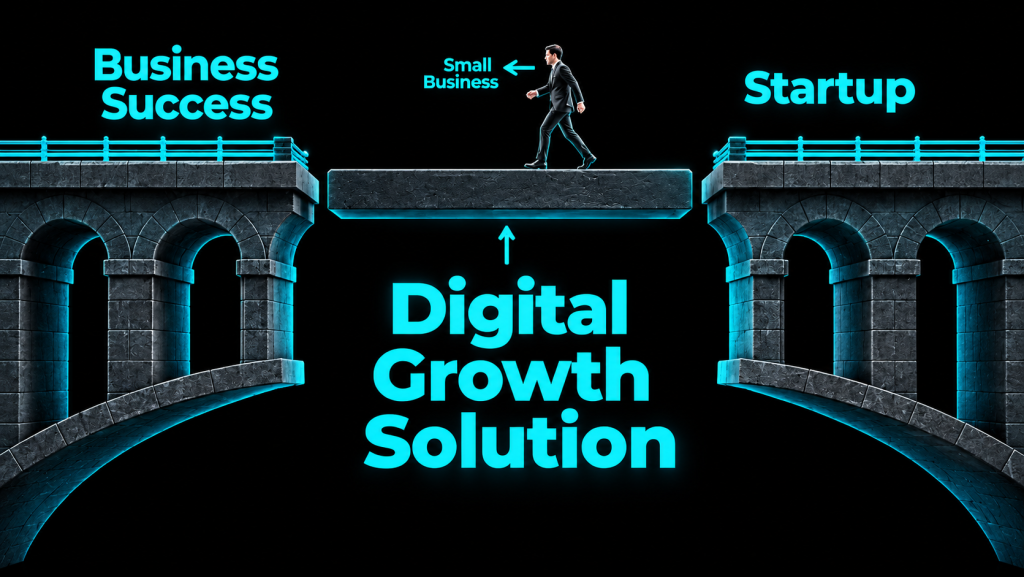
Boost Your Digital Growth
Every business wants to grow. Some want more customers, some want better sales, and others want to build a strong name in their industry. But in today’s digital world, having a good product or service is not always enough. People need to discover your business, understand what makes it valuable, and feel confident choosing you over your competitors. This is where digital marketing makes a real difference. Think about how people make decisions today. Before buying a product, hiring an agency, or visiting a local business, many people search online, compare options, read reviews, and check social media. If your business is not visible during this process, you could miss opportunities even when you offer something genuinely useful. The good news is that you do not need to be a large company with a massive marketing budget to grow online. You need a clear direction, a good understanding of your audience, and a strategy that connects your business with the right people. Digital growth is not about being everywhere. It is about being visible where your customers are, sharing the right message, and giving people a reason to choose your business. In this blog, we will explore practical ways to boost your digital growth, attract the right audience, improve your online presence, and turn marketing efforts into meaningful business results. 1. Understand What Digital Growth Really Means Digital growth means using online platforms and digital tools to help your business reach more people, build stronger customer relationships, generate leads, and increase sales. However, growth does not look the same for every business. For an online store, it might mean more product sales. For a service-based company, it could mean receiving more enquiries and booking more clients. For a new business, the first goal might simply be getting noticed and building trust. That is why you should define what growth means for your business before investing in marketing. Imagine you run a website development company. Getting 10,000 random website visitors might look impressive, but those visitors will not help much if none of them needs your services. On the other hand, 500 visitors who are actively looking for a website developer could create valuable business opportunities. The difference is simple: growth is not only about increasing numbers. It is about attracting the people who are most likely to become your customers. Start by identifying your main objective. Do you want more traffic, qualified leads, sales, repeat customers, or brand awareness? Once you know the answer, it becomes easier to choose the right marketing channels and measure your progress. 2. Build a Website That Turns Visitors Into Customers Your website is often the first place where potential customers learn about your business. It introduces your brand, explains your services, answers questions, and helps visitors decide whether they want to work with you. A website should do more than look attractive. It should make the visitor’s next step clear. Imagine someone visits your website after searching for digital marketing services. If they cannot quickly understand what you offer, who you help, or how to contact you, they may leave and choose another company. A well-designed website should have clear messaging, simple navigation, useful content, and visible calls to action. Visitors should not have to search everywhere to find your services or contact details. Mobile responsiveness is equally important. Many people browse websites on their phones, so your pages should work smoothly on smaller screens. Slow loading times, confusing layouts, broken links, and difficult forms can create unnecessary barriers. You should also include information that builds trust, such as genuine testimonials, examples of your work, frequently asked questions, and clear service descriptions. Most importantly, make it easy for visitors to take action. Whether you want them to request a quote, book a consultation, call your business, or make a purchase, the process should feel straightforward. A good website attracts attention. A great website helps turn that attention into action. 3. Use Search Engine Optimization to Get Discovered Search Engine Optimization (SEO) helps improve your website’s visibility in search engine results. It allows people to discover your business when they search for information, products, or services related to what you offer. Think about a customer searching for “best digital marketing agency for small businesses.” If your website provides relevant, helpful information and is properly optimized, it has an opportunity to appear in those search results. Unlike paid advertising, organic search visibility does not depend on paying for every click. However, SEO takes time, and rankings are never guaranteed. Results depend on competition, website quality, search intent, content relevance, and many other factors. To build a strong SEO foundation, start with keyword research. Find out what your potential customers are searching for and understand the purpose behind those searches. Next, create helpful content that answers their questions. Optimize page titles, headings, URLs, images, internal links, and page structure where appropriate. Make sure your website is accessible to search engines and provides a good experience for visitors. Technical SEO also matters. Issues such as broken links, crawlability problems, duplicate pages, and poor mobile usability can affect how effectively search engines access and understand your website. Do not create content only to insert keywords. Write for real people first. When your content genuinely helps readers understand a problem or make a decision, it becomes more valuable to both your audience and your long-term marketing strategy. SEO may not deliver instant results, but consistent, useful work can help your business build visibility and attract relevant visitors over time. 4. Create Content That Gives People a Reason to Trust You People rarely trust a business simply because it claims to be the best. They want to see evidence that the business understands their needs and can offer something useful. Content marketing helps you demonstrate that understanding. Your content might include blog posts, educational videos, social media posts, guides, case studies, email newsletters, or answers to frequently asked questions. Each piece should serve a purpose rather than exist just to