October 3, 2026

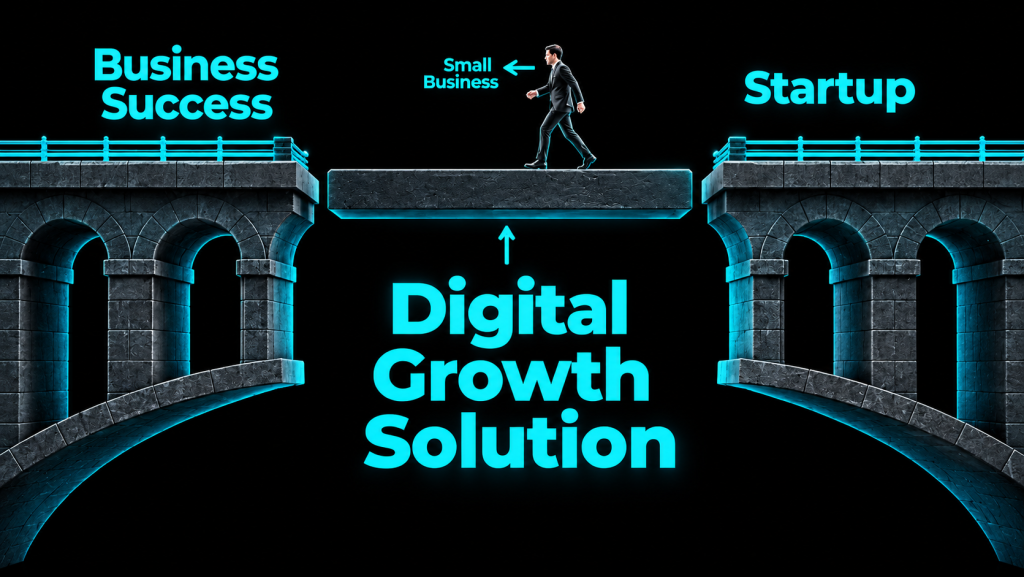
A businessman walking across a "Digital Growth Solution" bridge from a "Startup" towards "Business Success."
Digital Marketing

Boost Your Digital Growth

Every business wants to grow. Some want more customers, some want better sales, and others want to build a strong name in their industry. But in today’s digital world, having a good product or service is not always enough. People need to discover your business, understand what makes it valuable, and feel confident choosing you over your competitors. This is where digital marketing makes a real difference. Think about how people make decisions today. Before buying a product, hiring an agency, or visiting a local business, many people search online, compare options, read reviews, and check social media. If your business is not visible during this process, you could miss opportunities even when you offer something genuinely useful. The good news is that you do not need to be a large company with a massive marketing budget to grow online. You need a clear direction, a good understanding of your audience, and a strategy that connects your business with the right people. Digital growth is not about being everywhere. It is about being visible where your customers are, sharing the right message, and giving people a reason to choose your business. In this blog, we will explore practical ways to boost your digital growth, attract the right audience, improve your online presence, and turn marketing efforts into meaningful business results. 1. Understand What Digital Growth Really Means Digital growth means using online platforms and digital tools to help your business reach more people, build stronger customer relationships, generate leads, and increase sales. However, growth does not look the same for every business. For an online store, it might mean more product sales. For a service-based company, it could mean receiving more enquiries and booking more clients. For a new business, the first goal might simply be getting noticed and building trust. That is why you should define what growth means for your business before investing in marketing. Imagine you run a website development company. Getting 10,000 random website visitors might look impressive, but those visitors will not help much if none of them needs your services. On the other hand, 500 visitors who are actively looking for a website developer could create valuable business opportunities. The difference is simple: growth is not only about increasing numbers. It is about attracting the people who are most likely to become your customers. Start by identifying your main objective. Do you want more traffic, qualified leads, sales, repeat customers, or brand awareness? Once you know the answer, it becomes easier to choose the right marketing channels and measure your progress. 2. Build a Website That Turns Visitors Into Customers Your website is often the first place where potential customers learn about your business. It introduces your brand, explains your services, answers questions, and helps visitors decide whether they want to work with you. A website should do more than look attractive. It should make the visitor’s next step clear. Imagine someone visits your website after searching for digital marketing services. If they cannot quickly understand what you offer, who you help, or how to contact you, they may leave and choose another company. A well-designed website should have clear messaging, simple navigation, useful content, and visible calls to action. Visitors should not have to search everywhere to find your services or contact details. Mobile responsiveness is equally important. Many people browse websites on their phones, so your pages should work smoothly on smaller screens. Slow loading times, confusing layouts, broken links, and difficult forms can create unnecessary barriers. You should also include information that builds trust, such as genuine testimonials, examples of your work, frequently asked questions, and clear service descriptions. Most importantly, make it easy for visitors to take action. Whether you want them to request a quote, book a consultation, call your business, or make a purchase, the process should feel straightforward. A good website attracts attention. A great website helps turn that attention into action. 3. Use Search Engine Optimization to Get Discovered Search Engine Optimization (SEO) helps improve your website’s visibility in search engine results. It allows people to discover your business when they search for information, products, or services related to what you offer. Think about a customer searching for “best digital marketing agency for small businesses.” If your website provides relevant, helpful information and is properly optimized, it has an opportunity to appear in those search results. Unlike paid advertising, organic search visibility does not depend on paying for every click. However, SEO takes time, and rankings are never guaranteed. Results depend on competition, website quality, search intent, content relevance, and many other factors. To build a strong SEO foundation, start with keyword research. Find out what your potential customers are searching for and understand the purpose behind those searches. Next, create helpful content that answers their questions. Optimize page titles, headings, URLs, images, internal links, and page structure where appropriate. Make sure your website is accessible to search engines and provides a good experience for visitors. Technical SEO also matters. Issues such as broken links, crawlability problems, duplicate pages, and poor mobile usability can affect how effectively search engines access and understand your website. Do not create content only to insert keywords. Write for real people first. When your content genuinely helps readers understand a problem or make a decision, it becomes more valuable to both your audience and your long-term marketing strategy. SEO may not deliver instant results, but consistent, useful work can help your business build visibility and attract relevant visitors over time. 4. Create Content That Gives People a Reason to Trust You People rarely trust a business simply because it claims to be the best. They want to see evidence that the business understands their needs and can offer something useful. Content marketing helps you demonstrate that understanding. Your content might include blog posts, educational videos, social media posts, guides, case studies, email newsletters, or answers to frequently asked questions. Each piece should serve a purpose rather than exist just to
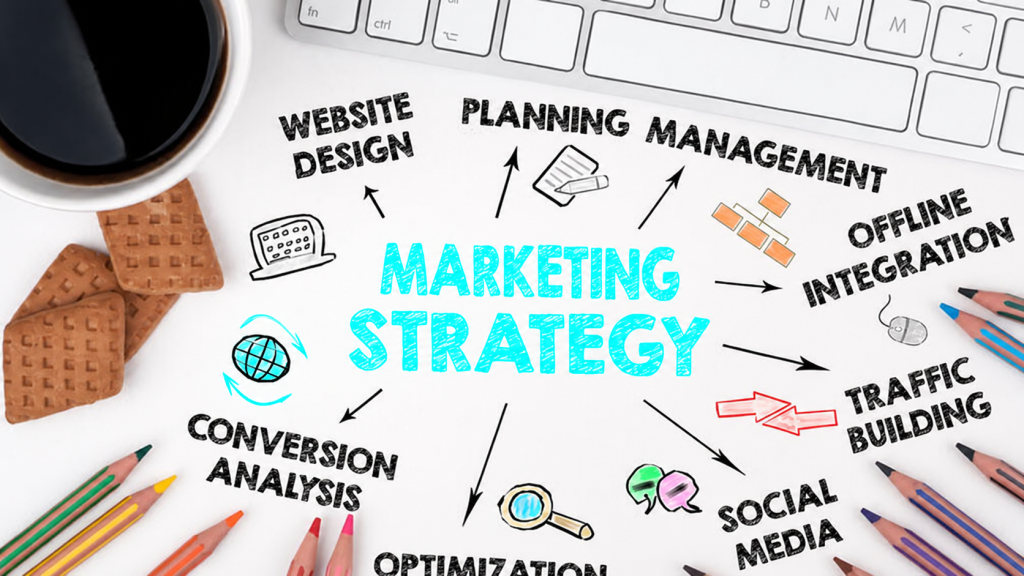

A mind map diagram showing "MARKETING STRATEGY" surrounded by terms like Website Design, Planning, and Social Media on a white desk with coffee, biscuits, and pencils.
Digital Marketing

Smart Marketing Strategies

Growing a business today is not just about offering good products or services. It is also about reaching the right audience, building trust, creating meaningful connections, and giving people a reason to choose your brand over others. With so many businesses competing for attention online, having a clear marketing strategy has become more important than ever. Many businesses spend money on advertisements, social media posts, website development, and other promotional activities without knowing whether their efforts are bringing real results. They may receive likes and website visits, but those numbers do not always turn into leads, sales, or long-term customers. This is where smart marketing strategies make a difference. Smart marketing is about understanding your audience, setting clear goals, choosing the right platforms, and using your budget where it can create the most value. Instead of trying every available marketing method, businesses can focus on the activities that match their objectives and deliver measurable results. Whether you run a small business, an online store, a startup, or an established company, the right approach can help you improve visibility, attract potential customers, and build a stronger online presence. At GrowOrbital, we believe that successful marketing starts with understanding your business and creating strategies that support your long-term growth. Let’s explore how smart marketing strategies can help your business move forward. 1. Understand Your Target Audience Every successful marketing strategy begins with a clear understanding of the people you want to reach. Before creating advertisements, publishing content, or investing in search engine optimization, take some time to understand your potential customers. Think about who they are, what they need, what problems they face, and how your products or services can help them. For example, a company selling professional software to other businesses will have a different audience from a clothing brand targeting college students. Their interests, buying decisions, budgets, and preferred communication channels will not be the same. When you understand these differences, your marketing becomes more relevant and effective. You can start by identifying a few important details: Age and location: Understand where your potential customers live and which age groups are most relevant to your business. Interests and preferences: Learn what topics, products, or services attract their attention. Challenges and problems: Identify the difficulties your audience wants to solve. Buying behaviour: Understand what influences their purchasing decisions. Preferred platforms: Discover whether they spend more time on Google, Instagram, LinkedIn, YouTube, or other channels. Customer feedback, website analytics, social media insights, and conversations with existing customers can help you collect useful information. The goal is not to target everyone. It is to connect with people who are most likely to benefit from your business. 2. Set Clear and Measurable Marketing Goals Marketing without clear goals can lead to wasted time, unnecessary spending, and confusing results. Before launching a campaign, decide what you want to achieve. Some businesses want to increase website traffic, while others want to generate qualified leads, improve online sales, build brand awareness, or encourage repeat purchases. Each objective requires a different approach. For example, if your primary goal is to generate leads, you might focus on Google Ads, targeted landing pages, lead forms, and email marketing. If you want to improve long-term visibility, Search Engine Optimization (SEO) and valuable content may deserve more attention. Your goals should be specific enough to measure progress. Instead of saying, “We want more customers,” define what success looks like. You might aim to increase qualified enquiries by 20% over the next three months or improve organic website traffic over the next six months. These are examples rather than guaranteed outcomes. Your actual targets should depend on your starting point, available resources, competition, and sales process. Track your progress regularly and adjust your strategy when the numbers show that something needs improvement. Clear goals help you understand where your marketing efforts are working and where you should focus next. 3. Build a Strong Website That Converts Visitors Your website is often one of the first places potential customers visit when they want to learn about your business. It should do more than look attractive. It should help visitors understand your offering and take the next step. A smart marketing strategy treats the website as a central part of the customer journey. Imagine someone discovers your brand through a social media post and clicks through to your website. If the page loads slowly, the message is confusing, or the visitor cannot find contact information, that potential customer may leave without taking action. A well-designed website can make the experience easier. Focus on these essential elements: Fast loading speed: Help visitors access information without unnecessary delays. Mobile-friendly design: Make sure pages work properly on smartphones and tablets. Clear messaging: Explain what you offer, who you help, and why your business is worth considering. Simple navigation: Make important pages and information easy to find. Strong calls to action: Guide visitors towards actions such as requesting a quote, booking a consultation, or making a purchase. Trust-building elements: Include genuine testimonials, relevant case studies, clear contact details, and accurate business information. Every service or product page should answer the questions a potential customer is likely to have. A website that combines useful information with a smooth user experience can support your SEO, paid advertising, social media, and email marketing efforts. 4. Use Search Engine Optimization for Long-Term Visibility Search Engine Optimization (SEO) is one of the most valuable strategies for businesses that want to attract people who are actively searching for relevant products, services, or information. When someone searches Google for a solution to a problem, your website has an opportunity to appear in the results if its content is relevant and competitive. However, SEO is not simply about adding keywords to a webpage. It involves improving the overall quality, relevance, accessibility, and usefulness of your website. A strong SEO strategy usually includes three major areas. On-page SEO: This involves improving page titles, headings, meta descriptions, internal links, content structure, and keyword relevance. Technical SEO: This focuses

Social media analytics neon illustration showing a smartphone with growth charts surrounded by popular platform icons like Facebook, Instagram, TikTok, YouTube, LinkedIn, and X
Digital Marketing

Build Your Online Presence

Today, when people need a product, service, or solution, one of the first things they do is search online. They look for businesses on Google, explore social media profiles, read customer reviews, and visit websites before deciding whom to trust. This means that your online presence can play an important role in how people discover, understand, and choose your business. Whether you run a small local business, a startup, an online store, or an established company, being present online helps you connect with potential customers beyond your immediate location. It gives people an opportunity to learn about your services, explore your expertise, and understand what makes your business different. However, building an online presence involves much more than creating a website or posting regularly on social media. You need a clear message, useful content, a trustworthy brand image, and a strategy that helps the right people find you. Many businesses create social media accounts or launch websites but struggle to attract meaningful attention. Sometimes the problem is inconsistent content. In other cases, their website is difficult to find, their messaging is unclear, or they are not using the right marketing channels. The good news is that building a strong online presence does not have to be complicated. With the right approach and consistent effort, you can make your business easier to discover, build stronger customer relationships, and create more opportunities for growth. At GrowOrbital, we believe that a successful online presence starts with understanding your audience and giving them a genuine reason to connect with your brand. Let’s explore how you can build and strengthen your online presence step by step. 1. Understand What Online Presence Really Means Your online presence is the collection of places where people can discover, learn about, and interact with your business on the internet. It includes your website, search engine listings, social media accounts, business directories, customer reviews, blog articles, email communications, and other digital touchpoints. Think about a customer searching for a service your business provides. They might first discover your website through Google, check your Instagram profile to see your work, read reviews to understand other customers’ experiences, and then contact you through WhatsApp. Each interaction contributes to the impression they form about your business. A strong online presence makes these interactions useful and consistent. It helps potential customers understand who you are, what you offer, and how they can work with you. It also gives your business opportunities to remain visible even when you are not actively promoting your services. For example, a helpful blog article can attract visitors through search engines, while an informative social media post can introduce your brand to someone who has never heard of it. The goal is not to appear on every platform available. It is to establish a reliable and relevant presence where your target audience is most likely to find you. 2. Define Your Brand Identity Before promoting your business online, take time to understand what your brand represents. Your brand identity influences how people recognise your business and what they remember about it. If your website communicates one message, your social media profiles communicate another, and your advertisements use completely different language, potential customers may find it difficult to understand your business. A consistent identity helps create recognition and makes your marketing feel more professional. Start by answering a few basic questions: What products or services does your business provide? Who are your ideal customers? What problems do you help them solve? What makes your business different from competitors? What impression do you want people to have of your brand? Once you have clear answers, use them to guide your website content, social media posts, advertisements, and customer communication. Your visual identity matters too. Choose colours, typography, imagery, and design elements that reflect your brand’s personality. Apply them consistently without making every design look identical. Your tone of voice should also feel recognisable. Whether you prefer a professional, friendly, creative, or straightforward style, communicate in a way that feels natural to your audience. A strong brand identity is not about looking impressive alone. It is about making your business easier to recognise, understand, and remember. 3. Create a Professional and User-Friendly Website Your website can act as the central hub of your online presence. It gives you a place to explain your services, showcase your work, publish useful information, and guide visitors towards contacting your business. Unlike social media profiles, which operate within another platform’s environment, your website gives you greater control over your content, structure, and customer experience. However, simply having a website is not enough. It needs to provide a clear reason for visitors to stay and explore. Start with a homepage that immediately communicates what your business does and whom it serves. Avoid vague statements that sound attractive but do not explain your actual offering. Create dedicated pages for important services, include accurate contact details, and make navigation simple. Visitors should not have to search through several pages just to understand how to work with you. Pay attention to these essential website elements: Mobile-friendly design: Your website should work smoothly on smartphones, tablets, and desktop computers. Fast loading speed: Optimise images, reduce unnecessary scripts, and use reliable hosting to improve the experience. Clear calls to action: Guide visitors towards useful actions, such as requesting a quote, booking a consultation, or contacting your team. Trustworthy information: Include relevant business details, genuine reviews, service descriptions, and examples of your work where appropriate. Secure browsing: Use HTTPS and maintain your website software and security measures. Accessible content: Use readable text, descriptive headings, suitable colour contrast, and meaningful image descriptions. A professional website should make it easy for people to understand your value and take the next step. 4. Improve Your Search Engine Visibility With SEO Search Engine Optimization (SEO) helps improve your website’s visibility in organic search results. It can connect your business with people who are already looking for information, products, or services related to what you offer. Imagine someone

Scroll to Top